
DIMAS collagen: 100% natural, pure and of high quality
The main aim and focus of DIMAS's work is to provide the best collagen products, sourced from the best international suppliers, so that they are as pure and as effective as they can be. Our collagens are 100% natural, with no unnecessary additives, made to support and help your health goals.
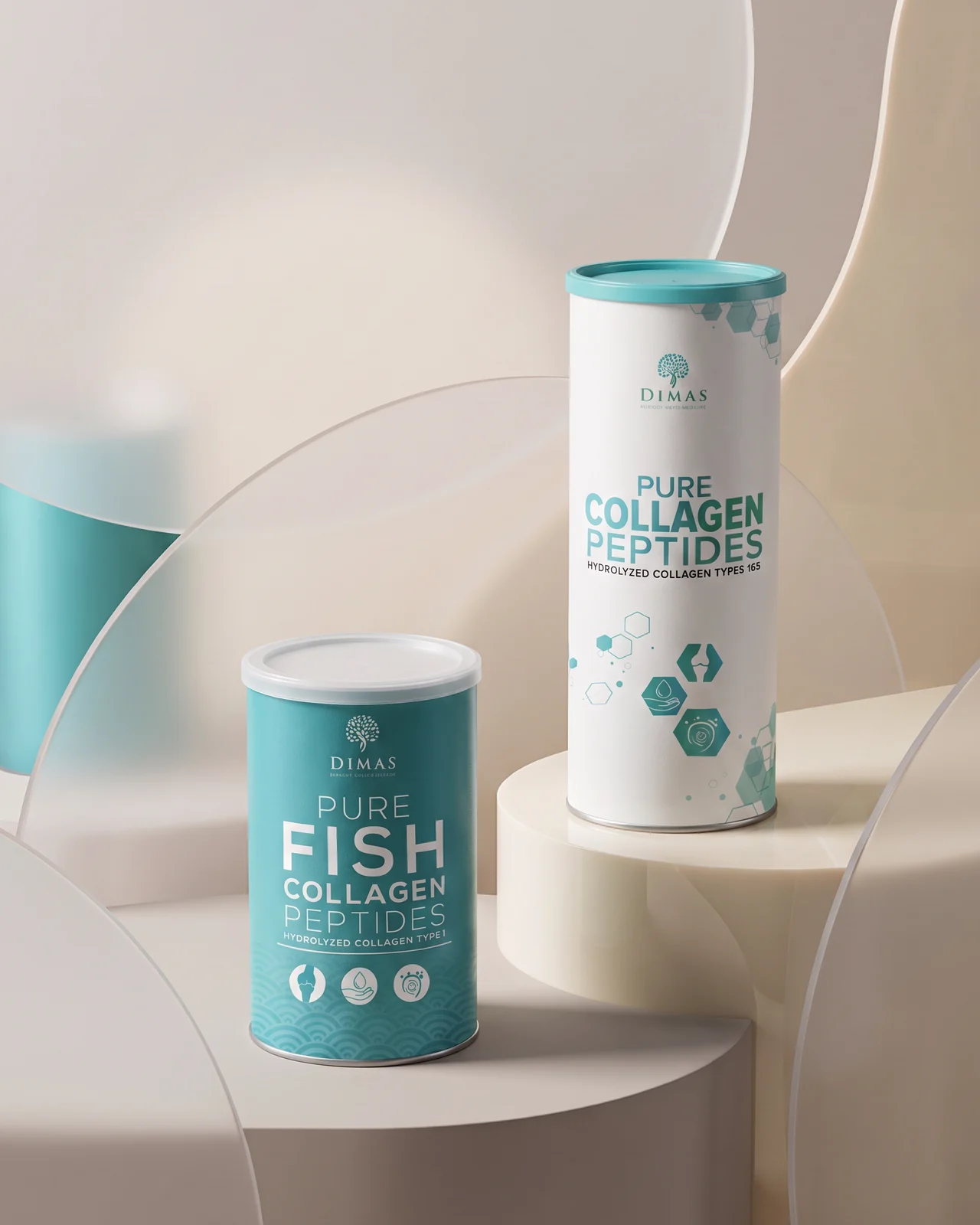
Our products
What are collagen peptides?
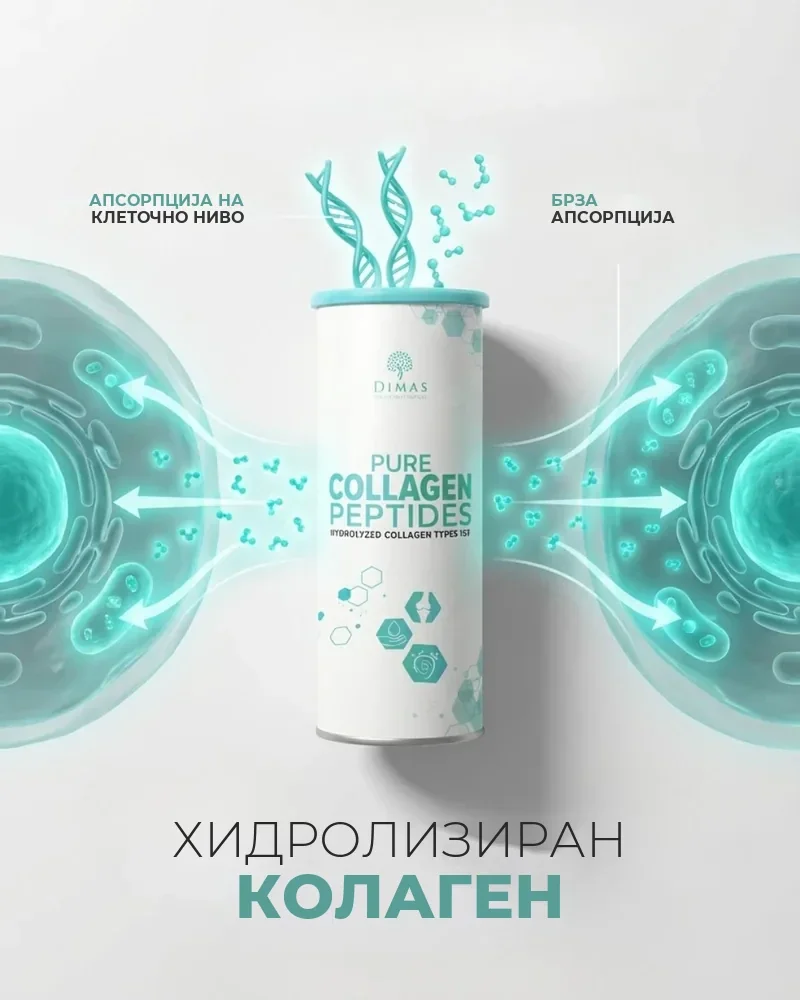
Collagen is the most abundant protein in the human body and an important part of skin, bones, cartilage, tendons, ligaments, muscles and blood vessels. Collagen peptides are smaller, hydrolysed pieces of collagen, made easier to use as a food supplement.
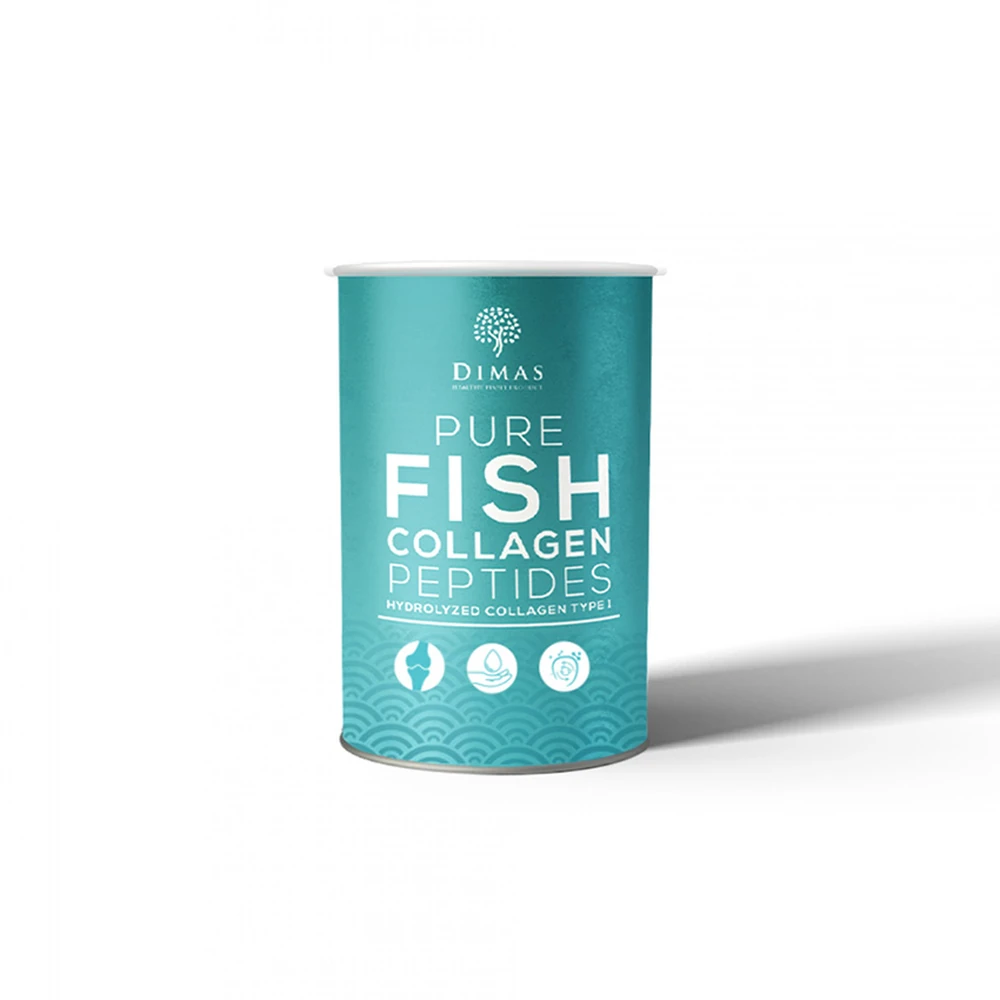
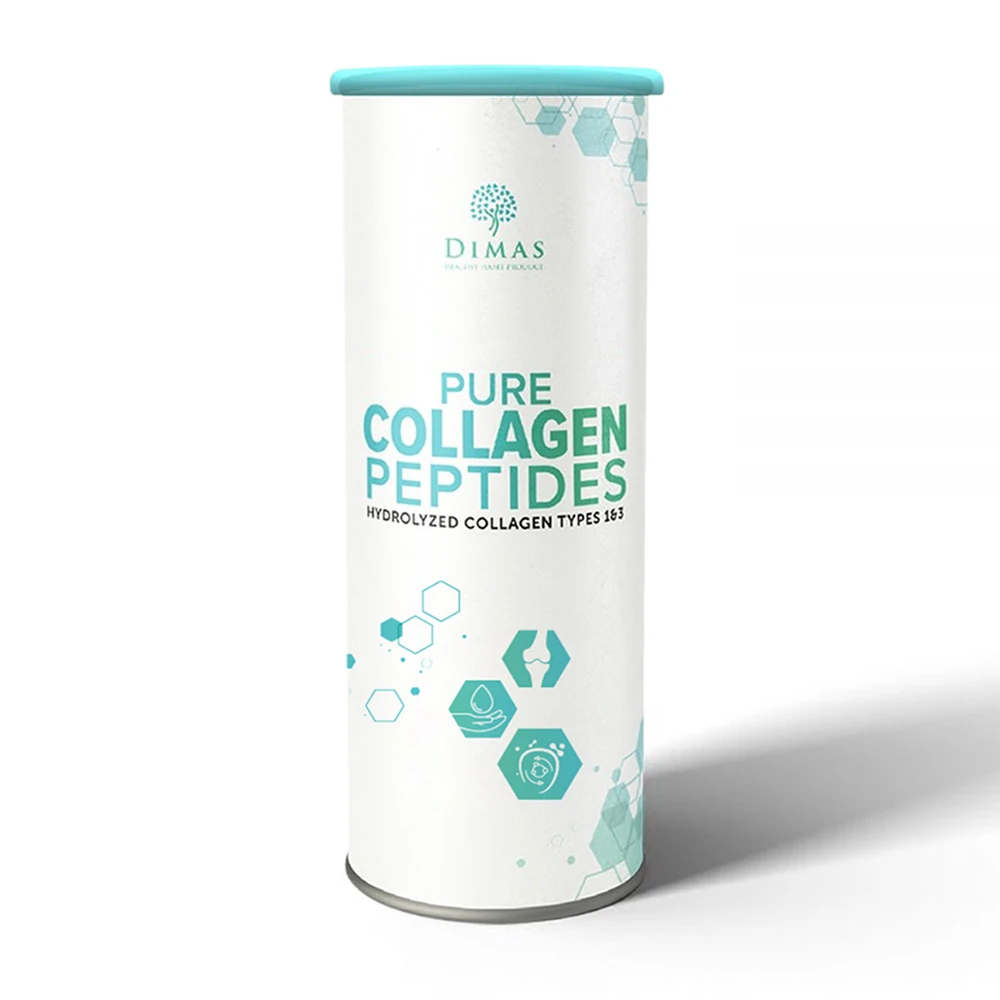
DIMAS offers type 1 fish collagen and type 1 and 3 bovine collagen. They differ in origin, daily dose and the needs they are meant for, so the choice depends on what you take them for.
Why does collagen matter?
After water, collagen is the second most abundant substance in the human body. It is the body's most important protein - 35% of all its protein - and the main component of all connective tissue, muscles, blood vessels, skin, hair, bones, joints and cartilage. That is why collagen is often called the elixir and the protein of youth.
There are 3 distinct types of collagen with entirely different roles: types 1, 2 and 3. Each contains different collagen peptides with a role of their own in the body.
Over 90% of the body's collagen is type 1 and type 3, and 36% of bone is made of types 1 and 3.
Over time, the ideal levels of collagen our body makes begin to fall. At 40 its ability to make collagen is down by 25%; at 60, by more than 50%. This is true above all of types 1 and 3.
Skin, hair and nails
Collagen is part of their natural structure and is linked to firmness, elasticity and resilience.
Bones and joints
It is present in bones, cartilage and the joint structures that support stability and mobility.
Connective tissue
Tendons, ligaments, muscles and blood vessels rely on the network of connective tissue, of which collagen is an important part.
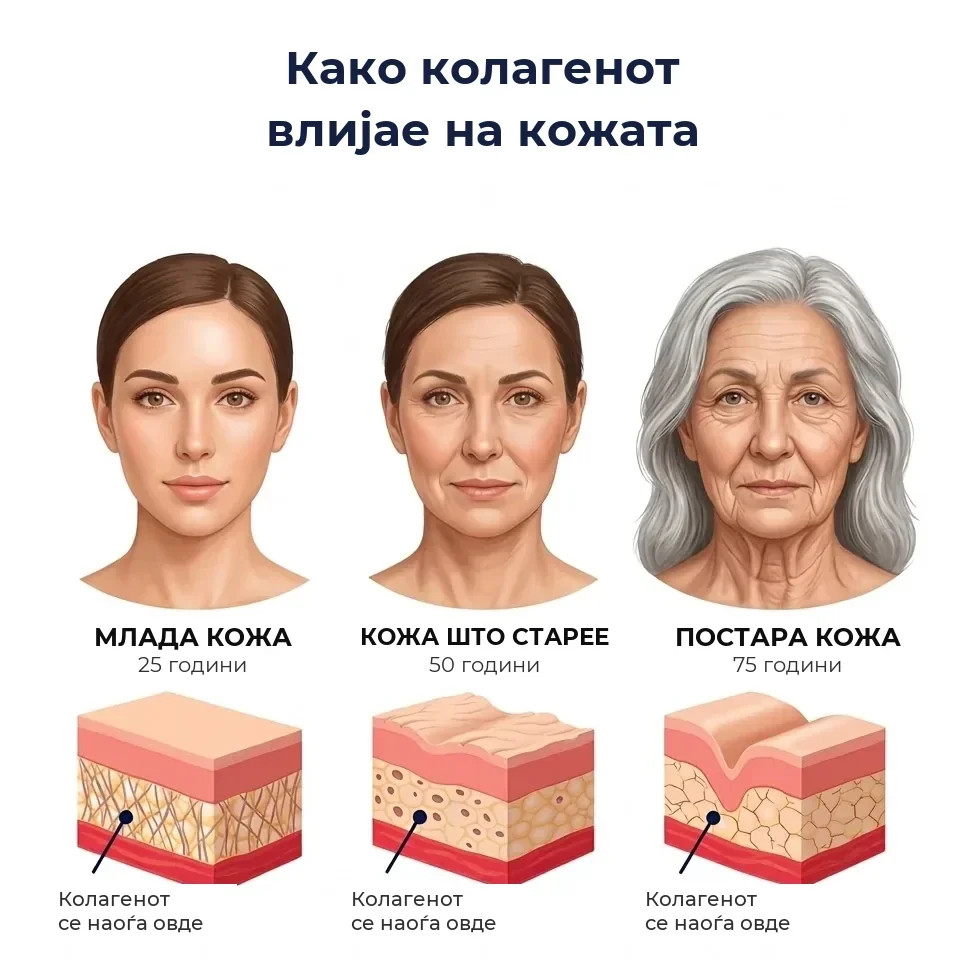
What collagen does for the skin
The difference between smooth, elastic skin and slack, wrinkled skin is how much collagen the body makes. Wrinkled, slack skin holds fewer collagen fibres, which leaves gaps in it and so wrinkles it. Young skin has a rich, well-structured network of intact collagen fibres.
Collagen evens out the skin's texture and smooths wrinkles, gives it elasticity and improves its tone. The result is firm, healthy, hydrated skin without wrinkles or fine lines. Happily, the skin's youthful structure can be kept into later life, but it takes acting from within and encouraging the body to make collagen - help in the form of food supplements such as DIMAS Pure Collagen Peptides.
Why is collagen lost?
The body does not suddenly stop making collagen, but making and renewing it slows down over time. Age, outside factors and lifestyle all play a part.
The natural ageing process
Our body can make collagen naturally, but that ability falls over time. By 30 the body loses on average 1.5% of its collagen a year. At 40 its ability to make collagen is down by 25%, and at 60 by more than 50%.
Sun and lifestyle
Sun exposure is one of the important outside factors. Smoking, stress and an unbalanced diet are also linked to less collagen and elastin in the skin.
Hormonal changes
Oestrogen levels also change with age, which can affect collagen production. Through the loss of collagen and elastin, skin can lose up to 80% of its fullness.
Changes in the collagen network can also affect the skin's ability to hold moisture, so over time it can become drier and less elastic.

How can the body's own collagen production be supported?
A varied diet and protein
A balanced diet provides the amino acids the body uses as building blocks for many proteins, collagen among them.
Vitamin C
Foods rich in vitamin C, such as peppers, kiwis and strawberries, are an important part of a diet that supports normal collagen formation.
Collagen peptides
As a practical addition to a varied diet, collagen peptides make a simple, precisely measured daily intake easy.

What collagen does for the hair
Collagen is good for hair in several ways - it lessens the look of grey hair, mends dry, split and brittle hair, strengthens the ends and encourages new follicles to grow. It also helps reduce hair loss, so helps hair renew itself and grow faster. The upshot is that collagen helps us have thick, shiny, healthy and elastic hair.
As we have seen, collagen sadly falls in our body with age, so it needs replacing or even its production encouraging. A sound, balanced diet and regular exercise can slow the loss of collagen. It is necessary to cut out refined sugar and take more vitamin C, a basic nutrient the body needs to make collagen. But diet alone cannot make the body produce more collagen: that takes special food supplements such as DIMAS Pure Collagen Peptides, which encourage the body to make collagen in a natural, clean way.

What affects the quality and look of hair?
The quality of hair does not depend on a single ingredient. Its look is shaped by genetics, hormones, age, general health, diet, stress, heat and chemical treatments, and the way it is cared for every day.
Diet and daily habits
Enough protein, vitamins and minerals matter for normal hair growth and upkeep. Collagen peptides can be a practical source of certain amino acids, but they cannot replace a varied diet.
When should you seek professional advice?
With sudden, marked or long-lasting hair loss, see a doctor or a dermatologist to find the cause, rather than putting the problem down to a lack of collagen alone.
When can collagen be part of a hair routine?
Collagen peptides can be considered a practical supplement when you want to increase your intake of protein and certain amino acids. Their role should still be seen within your overall diet, health and daily care.
When does a supplement make sense?
A supplement can be practical when your daily protein intake falls short, or when you want a simple product that is easy to add to water, a drink or a meal. It matters to keep a varied diet and a consistent routine alongside it.
What should you not expect?
Collagen is not a cure for hair loss, and there is no universal time by which a result must appear. Changes depend on the cause, age, genetics, health and other personal factors.
The most realistic approach is for collagen to be just one part of a long-term routine, with good food, the right care and professional advice when changes are marked or long-lasting.
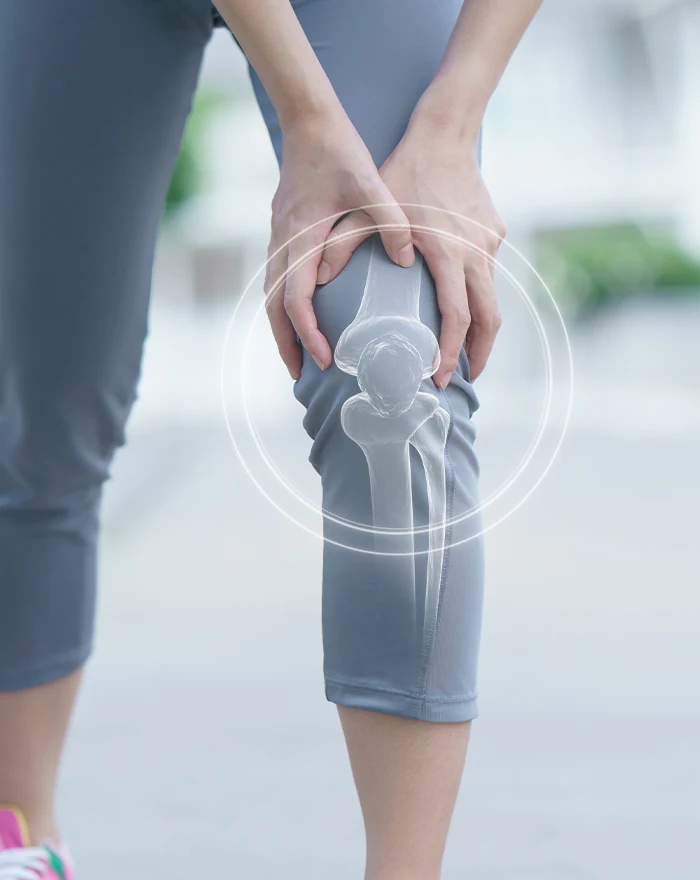
What collagen does for bones and joints
Collagen is the most abundant protein in the body, made of linked amino acids that form the connective tissue of tendons, ligaments and skin. It plays a key part in keeping bones and joints strong. It gives bones their structural frame, supporting bone density and lowering the risk of fractures. In the joints, collagen helps keep the cartilage - the cushioning that lets them move smoothly and prevents wear and tear.
Taking collagen regularly can ease joint pain, improve mobility and support the health of the joints as a whole, encouraging damaged cartilage to recover and inflammation to settle. These benefits make collagen essential for anyone who wants healthy bones and joints at any age. But as the ideal levels of collagen our body makes fall over time, it is necessary to add collagen supplements to the diet. If keeping your bones and joints healthy and strong is your aim, DIMAS bovine collagen lets you reach it quickly, easily and in a 100% natural way.
Frequently asked questions
What is collagen?
Collagen is the most important and most abundant protein in the human body (35% of all protein). It is the main component of all connective tissue, skin, muscles, blood vessels, bones, joints and cartilage, giving them structure, strength and elasticity.
There are several types of collagen in the human body, but the most important are:
- Type 1 collagen - the most effective, about 90% of all the collagen in our body. It gives structure and elasticity to skin, tendons, cartilage and connective tissue, helps form bones and teeth and matters a great deal for wound healing.
- Type 2 collagen - affects the bone and joint system and matters most for cartilage and tendons. It is recommended as a preventive intake against joint pain and arthritis.
- Type 3 collagen - especially important for blood vessels and muscles, and found in some vital organs (lungs, liver, spleen). It supports the immune system and helps digestion and the absorption of nutrients.
Types 1 and 3 should be taken together for the best results, while type 2 should be taken separately so that it is properly and fully absorbed.
Why does collagen matter?
Collagen is behind healthy, radiant skin without wrinkles, thick and strong hair and strong, beautiful nails, and keeps teeth, tendons and eyes healthy.
It protects and renews joints, strengthens muscle mass, protects blood vessels, speeds up wound healing, is good for the gut flora, helps reduce cellulite, improves metabolism and gives energy.
Does our body have enough collagen?
Our body can make collagen naturally. But over time the ideal levels it makes begin to fall. By the age of 30 the body loses on average 1.5% of its collagen a year. At 40, its ability to make collagen is down by 25%; at 60, by more than 50%.
Which signs point to a lack of collagen?
Less natural collagen, and of poorer quality, affects how we look and our body as a whole, and is linked to a number of health problems.
The first signs that our body lacks collagen are dry, wrinkled and sagging skin, thin and brittle hair without shine, weak nails prone to peeling, aching joints and muscles, sensitive tendons and ligaments, poor circulation, digestive problems and hormonal imbalance.
At what age should you start taking collagen?
As lost collagen is hard to make up through food alone, it is necessary to act from within and encourage the body to make collagen. Collagen supplements (bovine or fish collagen) are recommended from around the age of 25.
Both bovine and fish collagen come as hydrolysed collagen peptides, because in that form collagen is readily absorbed, reaches every tissue and gets down to the deepest layer of the skin (the dermis). About 90% of hydrolysed collagen powder is absorbed, against less than 30% of the collagen in food.
Which kind of collagen should you choose?
When choosing a collagen supplement, the most important thing is to know what results you want.
All collagen peptides on the market today come from animals; the most common are bovine collagen (types 1 and 3) and fish collagen (type 1).
DIMAS bovine collagen is especially recommended for joints, cartilage, tendons and ligaments. It also helps the body recover faster after sport and exercise.
DIMAS fish collagen is absorbed faster (1.5 times more efficiently), so it gives somewhat quicker results for the renewal of skin, hair, nails and other tissue.
When can we expect the first results?
You may notice the first positive results after a month of regular use. Some people see improvements within days, others after a few weeks. Everyone is different, but for the best results collagen is recommended for 3 months without a break. For what DIMAS collagen does, do read what our customers have to say.
Are collagen supplements safe?
For most people collagen as a supplement is entirely safe, even in the long term. Only people with kidney problems, who have been advised to eat less protein, should take particular care.
Collagen supplements rarely cause side effects, but if you notice an allergic reaction, nausea, stomach discomfort or diarrhoea, see a doctor. Usually it is enough to switch to another maker's collagen or another type (if you took collagen from chicken cartilage, change to bovine or fish collagen).
What is the recommended daily dose of DIMAS collagen?
The recommended daily dose is 10 g of bovine collagen (1 level tablespoon) or 5 g of fish collagen (1 level teaspoon).
Both DIMAS collagen packs hold 30 servings (bovine collagen comes in 300 g, fish collagen in 150 g) - the amount needed for 30 days without a break.
You can take either at any time of day (whenever suits you best - in the morning on an empty stomach, before bed, before or after a meal), mixed into water, juice, coffee, tea, yoghurt, a shake or a smoothie, or as part of a meal (porridge, salad). DIMAS collagen has neither smell nor taste, so it goes with all kinds of drinks, dishes and desserts!
Should I take breaks from collagen supplements?
We recommend taking DIMAS collagen peptides for at least three months without a break, then pausing for a month.
Is DIMAS collagen suitable for vegetarians and vegans?
As every collagen peptide on the market today comes from animals, people on a vegan diet cannot take any collagen, while fish collagen suits a vegetarian diet.